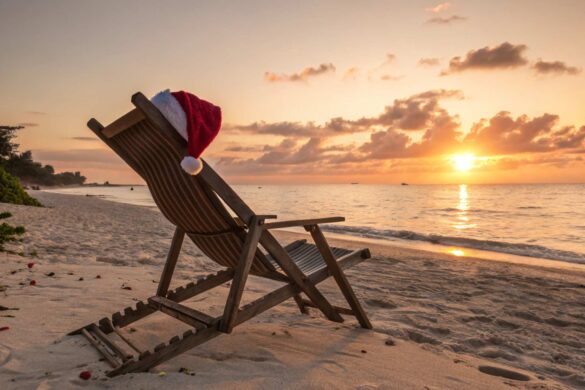
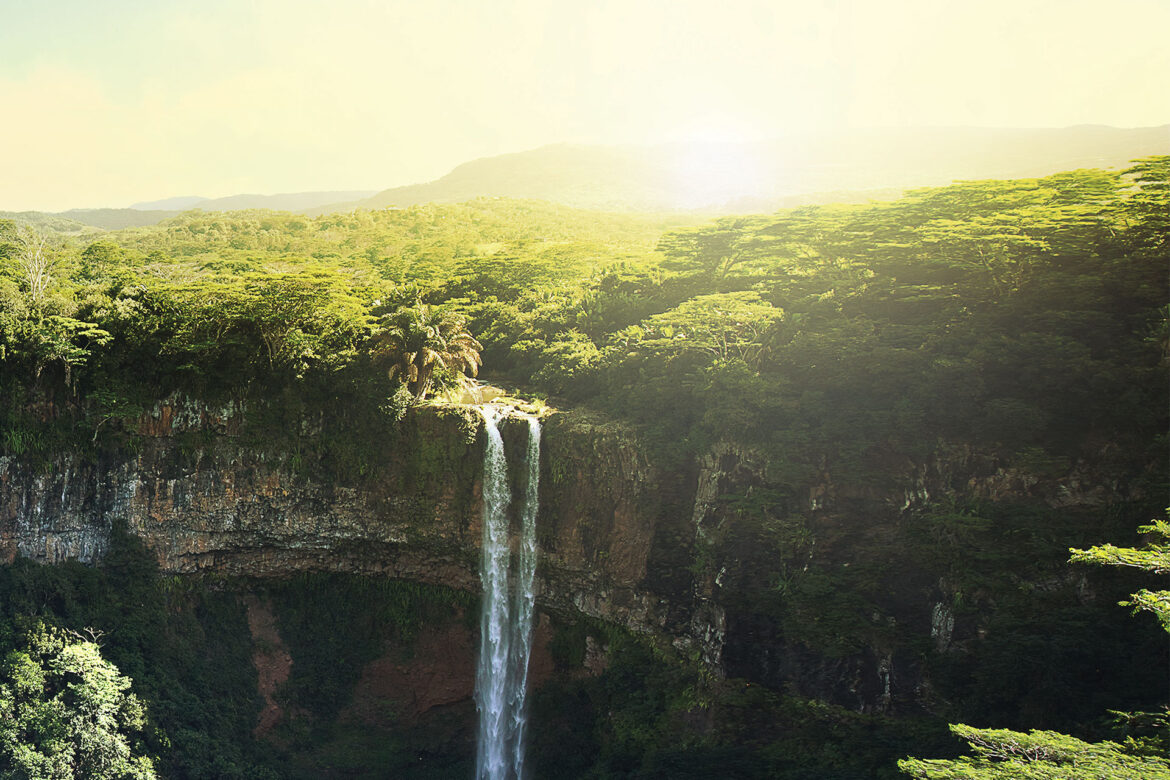
Mauritius covers an area of around 2040 square kilometres and is a popular destination for travellers from all over the world.
This little marvel was formed by volcanic eruptions 8 to 10 million years ago. Welcoming, generous and caring, Mauritius has a population of around 1.3 million.
Ethnically diverse, the people of Mauritius come from African, Indian, Chinese and European backgrounds, creating an incredibly fantastic cultural combination.
If you’re planning a holiday to Mauritius, find out 10 facts you need to know to learn more about this beautiful island.
Fact 1: Essential public services
The transport services operating in Mauritius rely on buses, which serve all regions of the island. In fact, a significant percentage of the population use buses as their main means of transport.
Journeys are not free, but they are affordable. As elsewhere, the cost of transport depends on the distance you wish to travel.
However, you should be aware that public transport is free for certain categories of people. These include the elderly, students and people with disabilities. These measures have been introduced by the Mauritian government to make daily life easier for residents.
Metro Express, an innovative project
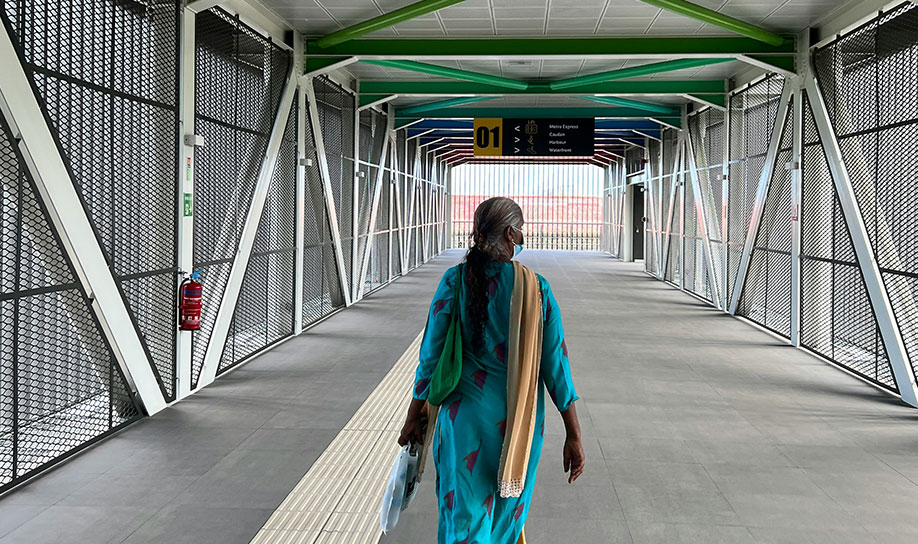
The Metro Express is a means of transport linking several cities to the capital, Port Louis. Inaugurated in 2019, this rail-based transport system is a modern, fast alternative that allows residents to get from one place to another in less than 30 minutes. Use of the Métro Express is also free for the elderly, students and people with disabilities. For the rest of the population, fares vary according to the distance travelled.
Hospitals and dispensaries in Mauritius

Hospitals and dispensaries throughout the island are free of charge for all residents, including holidaymakers.
You’ll find the Dr A.G. Jeetoo Hospital in Port Louis, Victoria Hospital in Candos, Sir Seewoosagur Ramgoolam National Hospital (SSRN) in Pamplemousses, and Jawaharlal Nehru Hospital in Rose Belle. These health facilities provide comprehensive services such as consultations, treatment, surgery, specialist care and 24-hour emergency care.
The medical staff are qualified, but as with any public service, waiting times can be longer. The Mauritian government is constantly striving to optimise the quality and accessibility of health services by constantly improving infrastructures.
The educational context

The education system in Mauritius is renowned for its toughness. Primary education, for children aged 5 to 11, is compulsory.
The educational programme begins in pre-primary schools, where children learn to count, draw and speak. They then progress to primary schools, which may be state or private. State schools are free, while private schools charge fees but offer more advanced educational options.
After passing a national examination called the Primary School Achievement Certificate (PSAC), students go on to secondary school and choose to study subjects according to their career orientation: languages, arts, science, technology, etc.
Vocational schools, technical institutes and universities offer qualifications in a wide range of fields. Universities also offer free courses to students who do not have a higher education certificate.
Fact 2: Political Stability in Mauritius
Recognised as a stable parliamentary democracy, Mauritius is governed by a Prime Minister who holds executive power. Citizens are represented by the Mauritian Parliament, which is made up of 62 elected members and 8 additional members to ensure a balance between the different communities.
Legislative elections are held every five years. The electoral system is based on the first past-the-post system.
Fact 3: Mauritius Weather
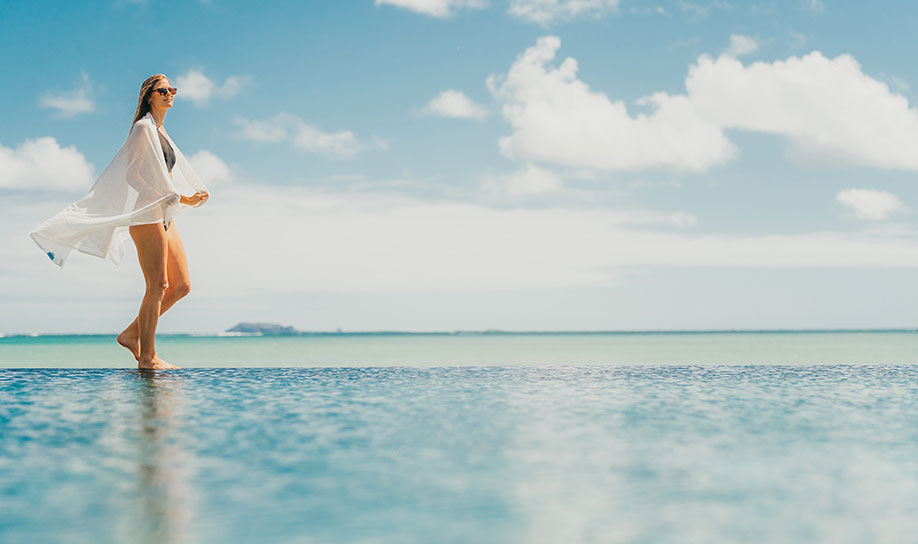
With two different seasons, summer and winter, Mauritius is an ideal destination for both those who enjoy hot weather and those who prefer cooler, more comfortable days.
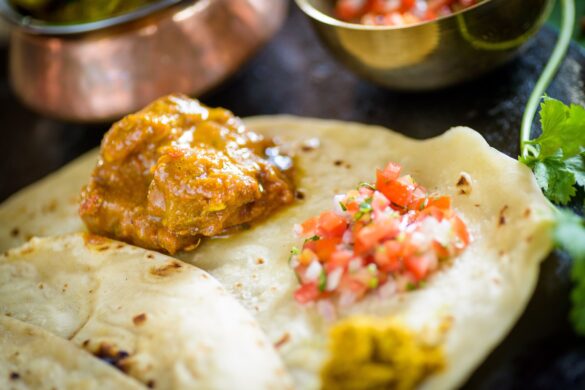
Summer in Mauritius begins around November and ends around April. Temperatures generally vary between 25°C and 35°C, with humidity levels often very high. From January to March, there are recurrent showers and thunderstorms. Cyclones, which occur between December and March, can be a unique experience for those who have never experienced these natural phenomena. During cyclonic periods, as a tradition, the locals prepare the traditional Mauritian recipe of roti and chicken curry, to be enjoyed with the family, sheltered from the strong winds and rain.
Winter in Mauritius is particularly pleasant, with temperatures rising to 25°C. It can get cold at night, but it’s nice for a good night’s sleep, before a sunny day full of activities the next day.
Fact 4: The arrival of man in Mauritius
Pedro Mascarenhas, a Portuguese navigator, discovered Mauritius in the 16th century, and used it with his crew as a stopover on their way to and from Europe and the East Indies.
In 1598, the Dutch attempted to colonise the island and named it Mauritius, after Prince Maurice of Nassau, stadtholder of the United Provinces, which is now known as the Netherlands. They did not stay very long, however, as living conditions became too complicated.
Mauritius was taken by the French, who renamed it Isle de France. The island developed and the French population established the town of Port Louis as its capital and main port.
Mauritius was captured by the British after the Battle of Grand Port in 1810 and 25 years later slavery was abolished.
Fact 5: Sugarcane Plantation
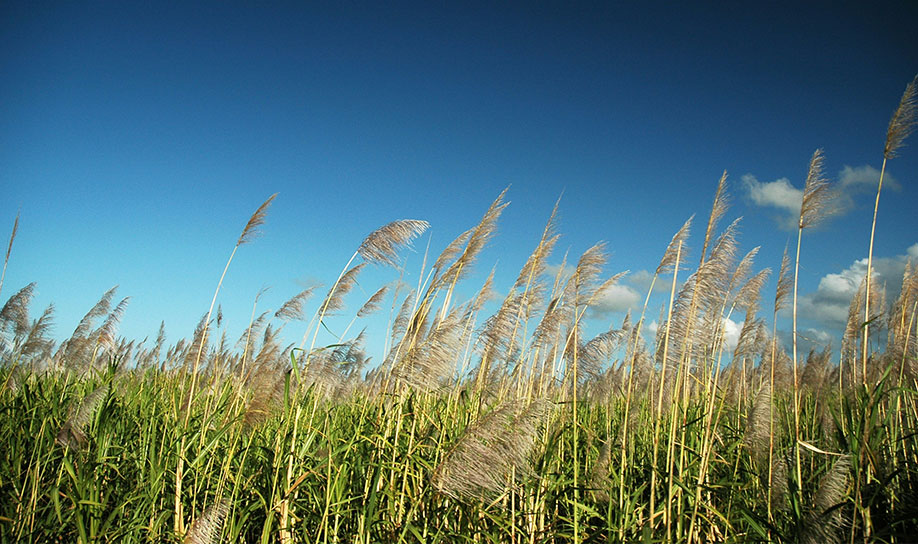
It was the French who introduced sugarcane to Mauritius. This is considered a historic act, as it was the key factor in the development of the Mauritian economy.
These long stalks contain sucrose, a sweet substance, which is then pressed in a roller mill and extracted using hot water.
If you’d like to find out more about this virtuous plant, we suggest a trip to L’aventure du Sucre, a museum that explains the exciting history of sugarcane in Mauritius.
Fact 6: The Land of Seven Colours
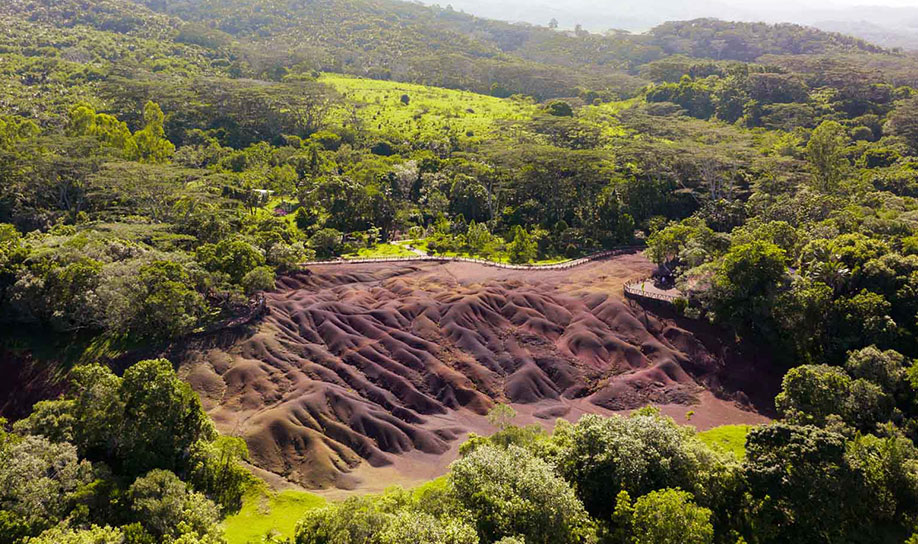
Mauritius is a real sanctuary for nature lovers. La Terre des Sept Couleurs is a magical place that seems to have come straight out of a fairytale.
Imagine a place where vivid colours pack, combine and disperse all at once, where the sand is unrecognisable, where light and shadow merge. It may be hard to imagine, but you’ll fall in love with the beauty of these sand dunes.
The vibrant colours, which seem unreal at first glance, are the result of a rare geological evolution caused by the transformation of volcanic rock over the centuries. The mystical beauty of these places attracts curious travellers, photographers and bloggers every year. From the majestic waterfalls to the spectacular vegetation and the impressive harmony of the sand, you’ll be amazed!
Fact 7: The importance of the Grand Bassin – Ganga Talao
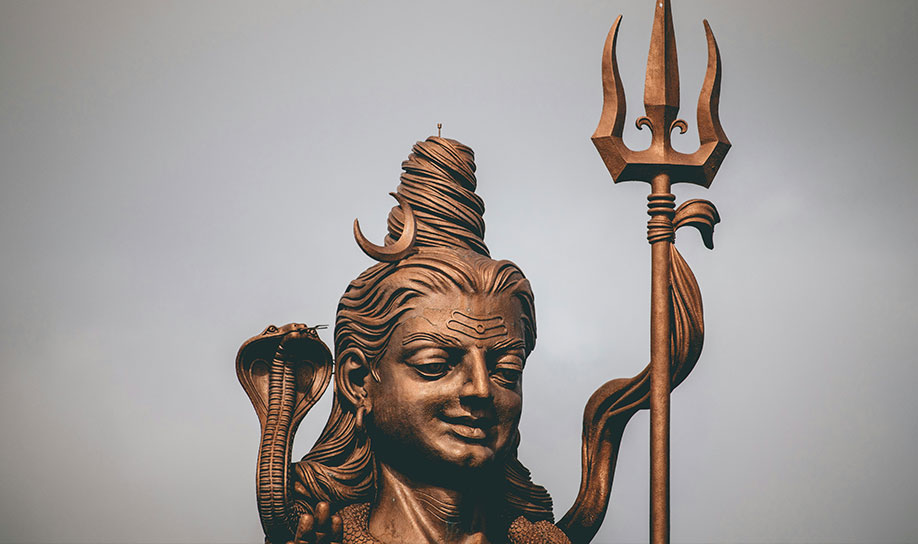
At the heart of Mauritius lies Grand Bassin, an enigmatic lake where the threads of spirituality and intrigue are masterfully intertwined. What makes this lake remarkable is its remarkable past – many believe it’s connected to India’s sacred River Ganges. Legend has it that a dedicated priest brought a vial of the Ganges’ holy water to Mauritius, consecrating the lake. As the moon reaches its zenith, the lake becomes a hum of activity during the annual Maha Shivaratri festival. Amid a tapestry of song, dance, and ritual, devotees from across the world gather to pay homage to the mystic Shiva.
Fact 8: Two UNESCO World Heritage Sites
Mauritius has two UNESCO World Heritage Sites. These are the Black River Gorges National Park and Île aux Serpents, a lesser known but equally significant site.
Black River Gorges National Park
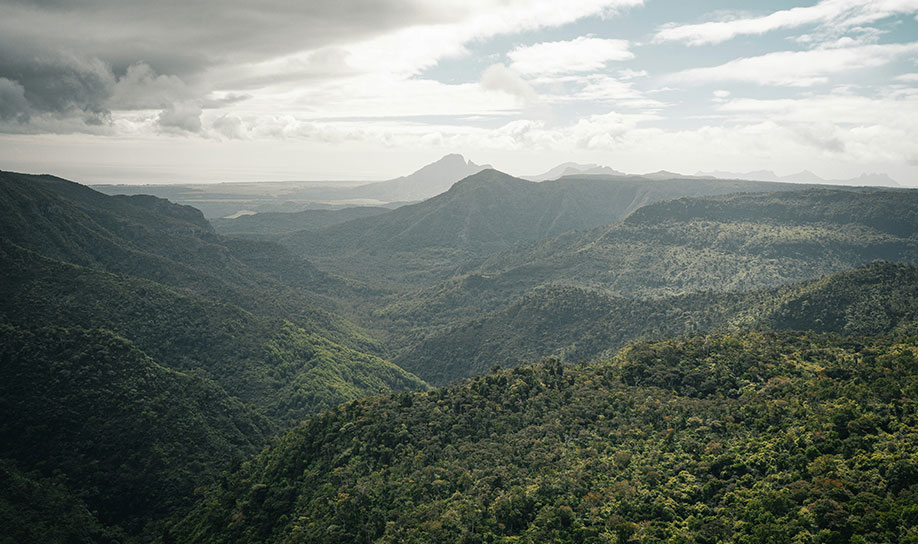
Renowned for its biodiversity and extraordinary landscapes, The Black River Gorges National Park has been a UNESCO World Heritage Site since 2007.
It is a fairyland for nature lovers and adventure seekers alike. This lush haven offers visitors an unforgettable escape into the island’s wild side. Whether you’re hiking through the verdant trails, catching glimpses of rare birds, or simply soaking in the breathtaking panoramic views, every moment spent here is a feast for the senses. The park’s serene atmosphere and stunning landscapes make it the perfect spot for travellers to unwind and reconnect with nature. So, pack a picnic, bring your camera, and prepare to create memories that will last a lifetime in this magical corner of Mauritius.
Île aux Serpents
Listed as a UNESCO World Heritage Site in 2010, Île aux Serpents is a treasure trove of ecological importance. The island is surrounded by coral reefs and mangroves, providing a habitat for an incredible array of marine life.
The island offers a protected space for scientists to conduct research and for endemic species to thrive. This uninhabited islet provides a unique opportunity for the study and conservation of its diverse ecosystem. Despite rumours of snakes inhabiting the island, there is no concrete evidence to support these claims. However, due to the island’s sensitive ecosystem, tours are not recommended to ensure the preservation of this fragile environment.
Fact 10: Local Mauritian Cuisine
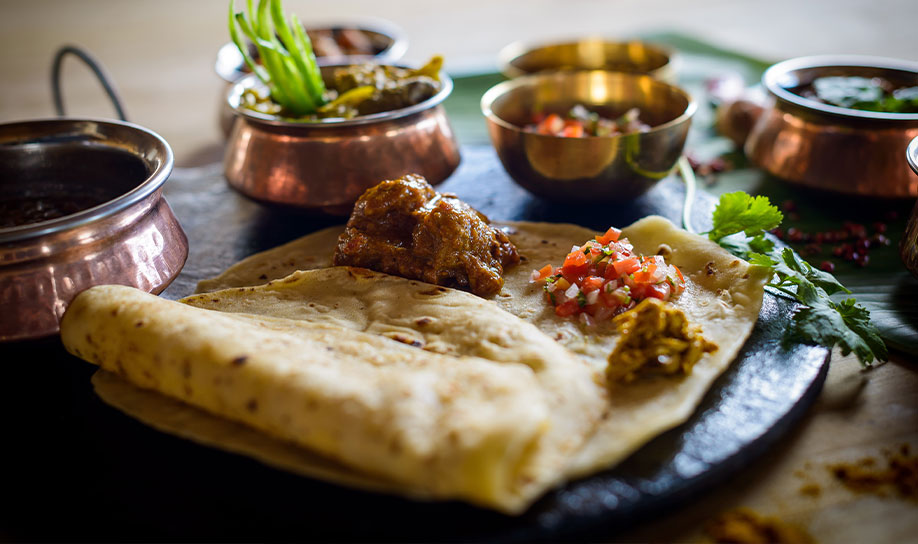
As well as being tasty, local Mauritian cuisine holds a vital place in the island’s tumultuous history. Rich in flavours and aromas, the typical dishes of Mauritius are influenced by Creole, Indian, Chinese and European origins, due to the various colonies that settled in Mauritius when it was discovered.
Discover the most emblematic dishes of Mauritian culture, such as chicken curry with spices, turmeric and chillies, smoked sausage rougaille cooked in tomato sauce, fried noodles with vegetables, chicken and Chinese sauces, or dholl puri, a dholl-based cake served with vegetable curries, chutneys and chillies.
Each bite offers a breathtaking taste journey, with multiple textures and flavours.
For a refreshing and famous drink in Mauritius, opt for the alouda, a drink made from milk, basil seeds and vanilla essence. It is often drunk during hot weather.
Experience the traditions and cultures of Mauritius with Veranda Resorts
Immerse Yourself in Mauritian Culture! Veranda Resorts invites you to discover the unsuspected riches of Mauritius through unique experiences that will leave you in awe! From beautiful encounters to diverse cultures and surprising flavours, Mauritius guarantees an unparalleled stay that will leave you wanting more!
Unwind in Paradise! Opt for a laid-back experience at Veranda Resorts, where turquoise waters and a relaxing atmosphere await! Our team of professionals will give you a warm welcome and help you discover the many facets of this island paradise, ensuring a comfortable stay that will leave you feeling refreshed and rejuvenated!