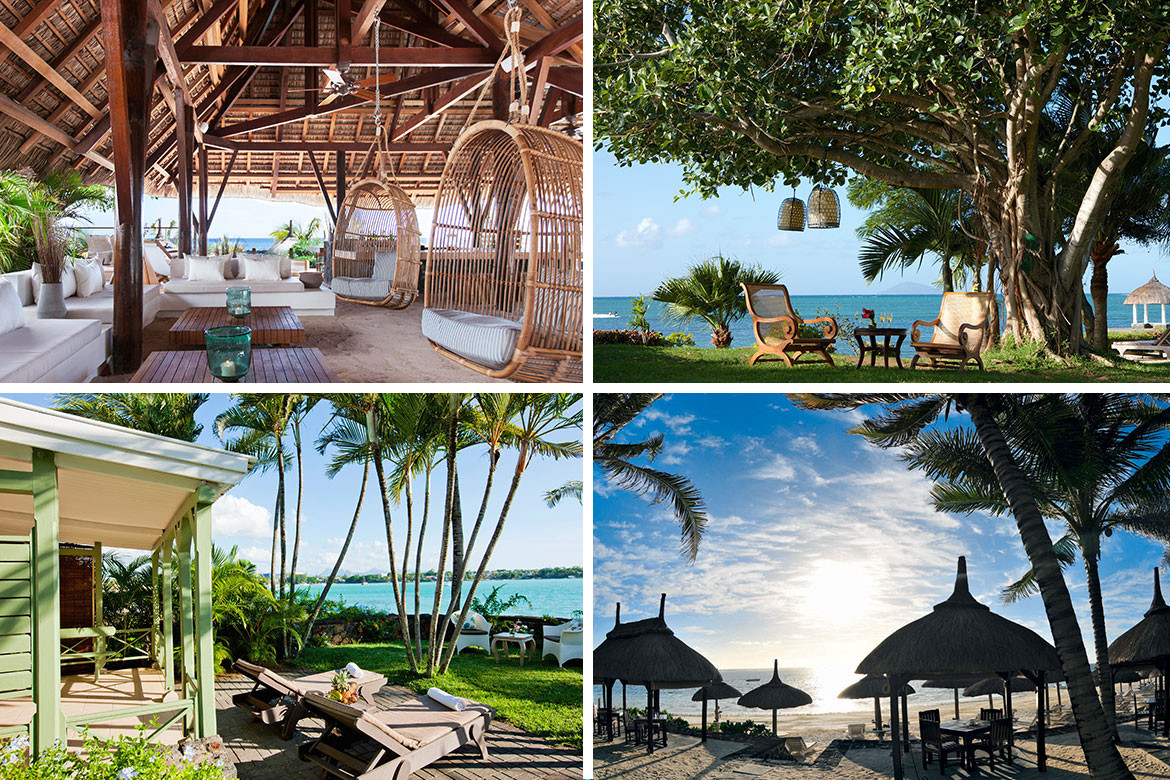
Are you planning a trip to Mauritius but unsure about the best time to visit weather-wise? Here’s everything you need to know about Mauritius’s climate to help you choose the ideal dates for your vacation and prepare for your stay.
GENERAL CLIMATE IN MAURITIUS
Mauritius enjoys a tropical climate with two main seasons: the Austral summer and the Austral winter.
The Austral Summer in Mauritius
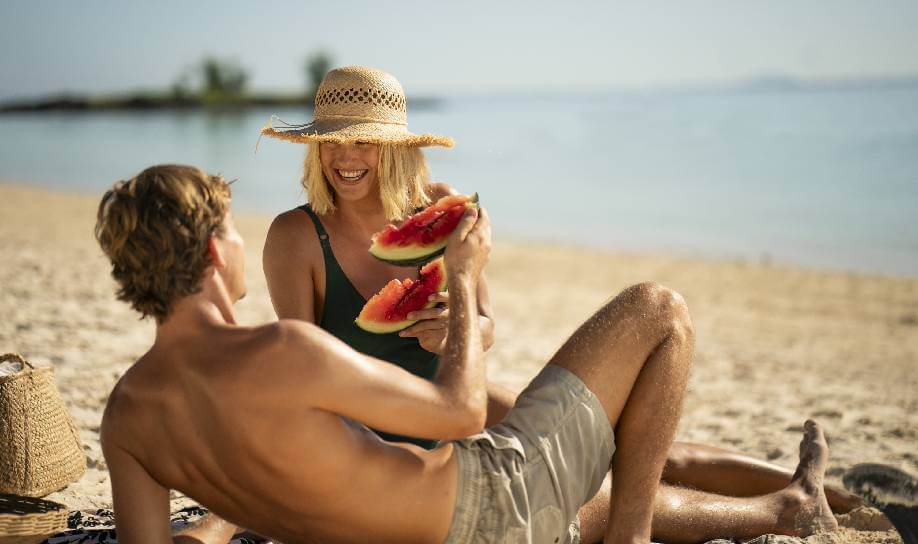
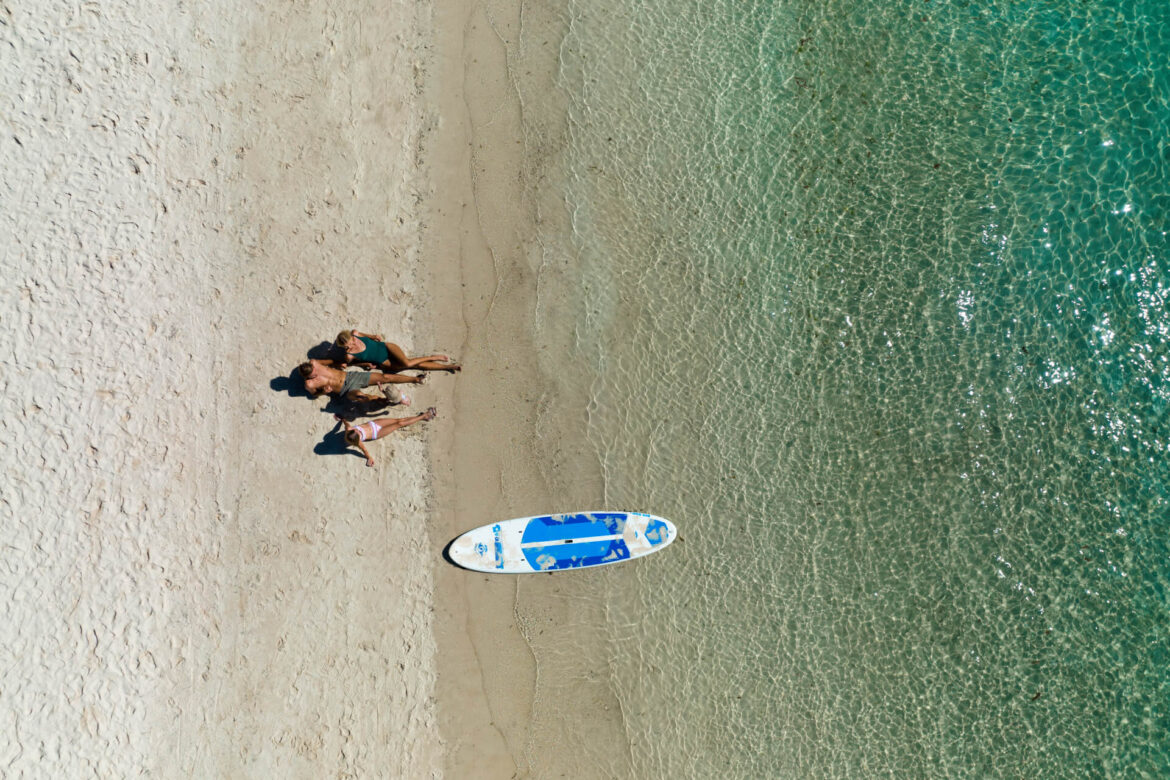
Austral summer extends from October to April, with slight variations. In October, November, and December, the daytime heat reaches up to 28°C (82°F), while the evenings remain pleasant. During this period, the ocean warms to around 26°C (79°F), perfect for swimming. December is typically warm and dry, while January, February, and March are the hottest and most humid months, with temperatures around 30°C (86°F) and water temperatures rising to 28°C (82°F). In April, conditions become drier, the intense heat subsides, evenings are cooler, and ocean temperatures remain about 26°C (79°F).
The Austral Winter in Mauritius
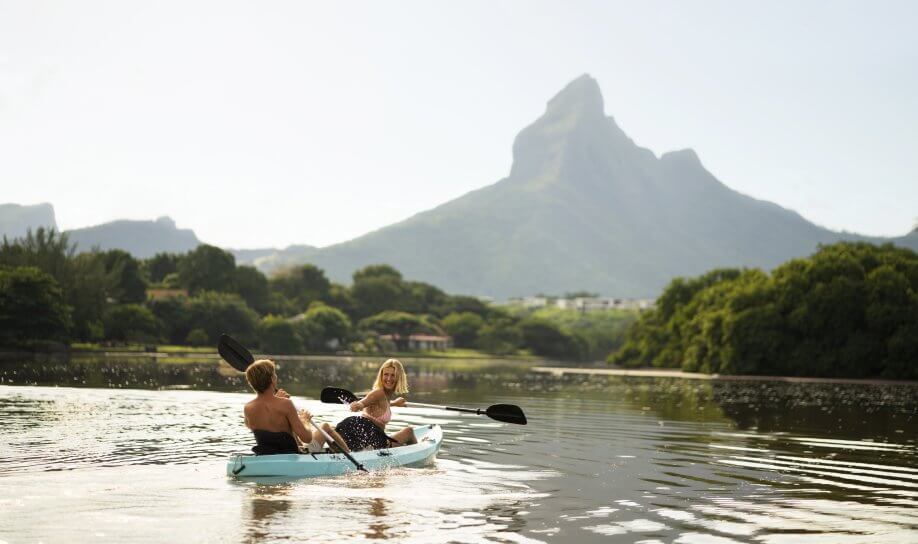
Austral winter runs from May to September, with average daytime temperatures around 25°C (77°F). Evenings and nights are cooler, particularly in the island’s center, where temperatures can drop to 15°C (59°F). However, days remain mild and sunny, perfect for exploring the island or relaxing by the sea, where water temperatures stay pleasant at around 24°C (75°F).
REGIONAL OVERVIEW
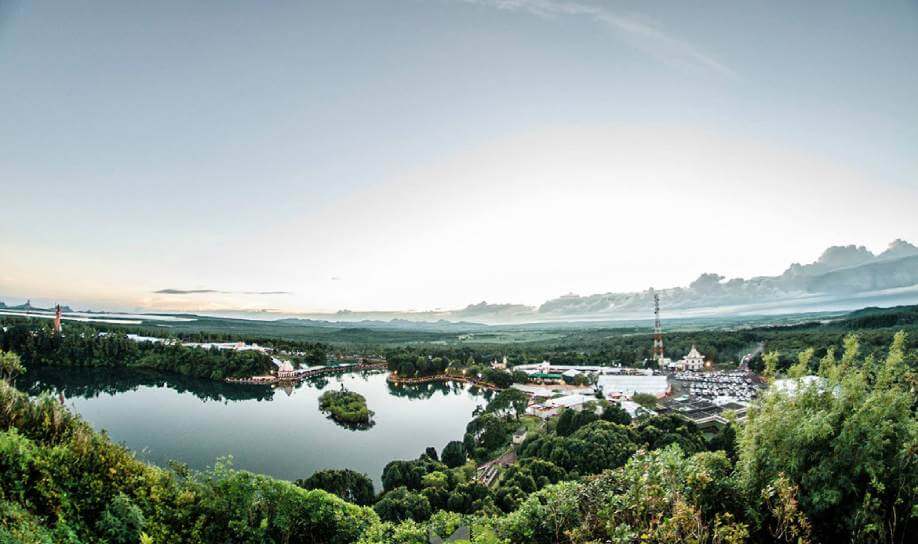
Mauritius’s climate can vary depending on where you stay. Here’s a look at the key areas:
- The North Coast: Home to Veranda Grand Baie and Veranda Paul et Virginie, this coast has warm temperatures and gentle breezes, making it an ideal year-round destination. It’s also one of the island’s driest regions.
- The East Coast: Where Veranda Palmar Beach is located, this coast is exposed to trade winds, providing a refreshing breeze, especially from January to March. This is an excellent option if you prefer a light sea breeze during the warmest months.
- The South Coast: Also breezy, the south coast is ideal for travelers seeking a cooler climate during the hot months.
- The West Coast: Home to Veranda Tamarin, this coast is sheltered from the wind and has very warm temperatures, perfect for beachside relaxation. This region is ideal for water activities or sunbathing in the summer.
- The Central Highlands: Cooler and rainier than the coastal areas, the highlands around Curepipe or Plaine Champagne offer lush nature. Although fewer travelers stay here, it’s perfect for nature lovers exploring the island’s verdant landscape.
RAIN AND CYCLONES IN MAURITIUS
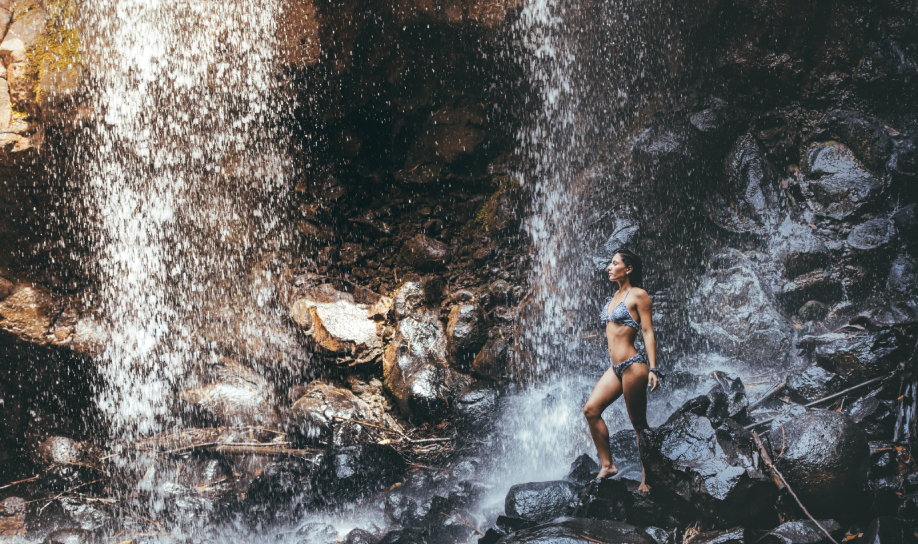
As a tropical country, Mauritius experiences tropical rains. During summer, particularly between January and March, sudden and sometimes intense showers can occur, especially in mountainous areas and the east coast. However, these rains are usually brief and followed by long sunny periods, allowing visitors to continue outdoor activities with minimal disruption.
Cyclone season spans from January to March, but the risk of major storms remains low. Mauritius is well-prepared, and most cyclones pass at a distance, usually resulting in heavy rains and mild winds without severe impact. Local infrastructure, including hotels like Veranda Resorts, follows established safety protocols to protect residents and tourists. Guests are informed in advance of any warnings, but in most cases, it simply involves staying indoors temporarily. The climate remains favorable for a serene vacation, even during this period.
MAURITIUS: A PARADISE WITH AN AUSTRAL CLIMATE
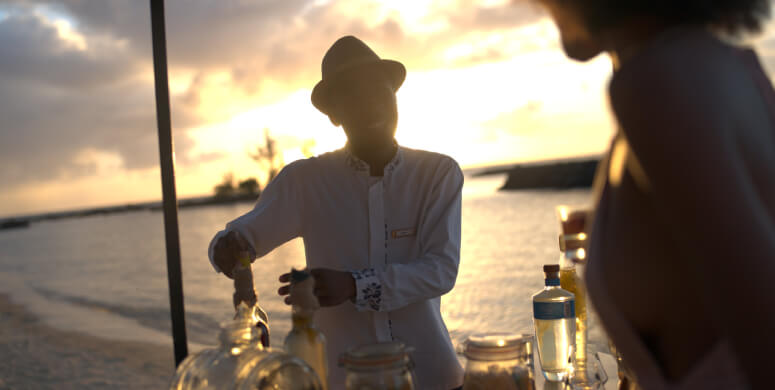
With its temperate tropical climate, Mauritius is an ideal destination year-round. Whether you choose to visit during the warm summer or the milder winter, Mauritius offers a unique experience. Each region has its microclimate, allowing travelers to select the area that best suits their preferences.
WHEN TO VISIT MAURITIUS?
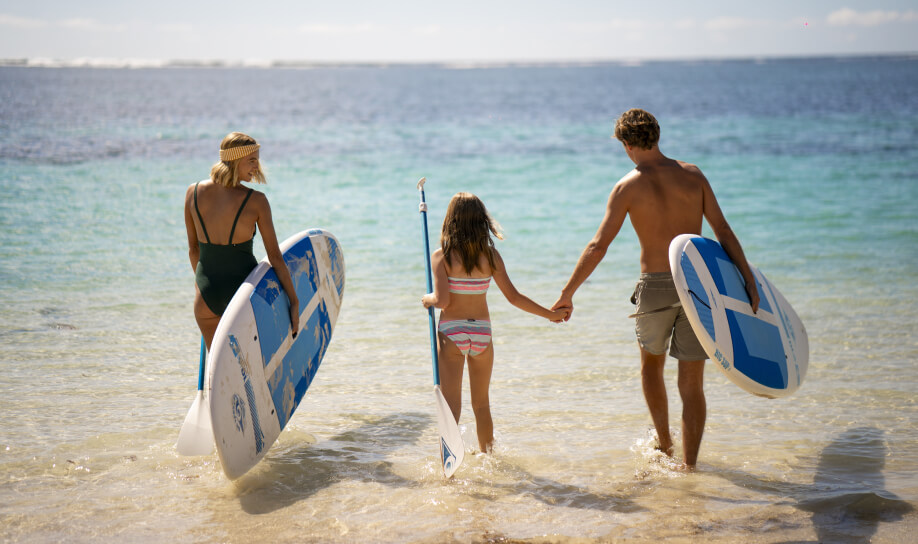
To summarize, here are some tips based on your preferences:
- For beach lovers and watersports enthusiasts, the months from November to April are ideal. The sea is warm, and the weather is perfect for coastal activities.
- For those who prefer milder temperatures, visit between May and October. The climate is drier, and days are mild, ideal for exploring mountains, nature parks, or simply relaxing.
Ready to discover Mauritius and enjoy its wonders under a welcoming tropical climate? Veranda Resorts is here to offer an unforgettable experience, whether the weather is sunny or slightly cloudy. Experience Mauritius’s gentle warmth all year round!
FAQ – Mauritius Climate
What’s the best time to visit Mauritius?
The best time depends on your preferences. For sunshine and high temperatures for the beach, November to April is ideal. For a milder, drier climate, choose May to October.
Is it very hot in the summer in Mauritius?
During Austral summer (November to April), temperatures can reach 30-35°C (86-95°F), especially in January, February, and March. Humidity can be high, but coastal breezes provide some cooling, especially on the beaches.
Are there cyclone risks during my stay?
Cyclone season runs from January to March, but Mauritius is rarely directly affected. Generally, the impact is limited to heavy rain and steady winds. Hotels and infrastructure are well-prepared to ensure visitor safety.
What is the water temperature in Mauritius?
The sea temperature ranges between 24°C (75°F) in winter (May to October) and 28°C (82°F) in summer (November to April), making it perfect for watersports year-round.
Which region is the warmest in Mauritius?
The west coast and the north are the warmest areas, especially in summer. These regions are also less exposed to winds, providing ideal temperatures for sun-seekers.
Does it rain often in Mauritius?
Showers are more frequent during summer (January to March), but they are usually brief and localized. The west coast and north are generally drier, while the island’s interior and east coast receive more rain.
Should I bring warm clothes for a winter stay?
While winter days are mild (about 20-25°C / 68-77°F), evenings can be cool, especially in the mountains, where temperatures drop around 15°C (59°F). A light sweater or jacket is recommended for the evenings.