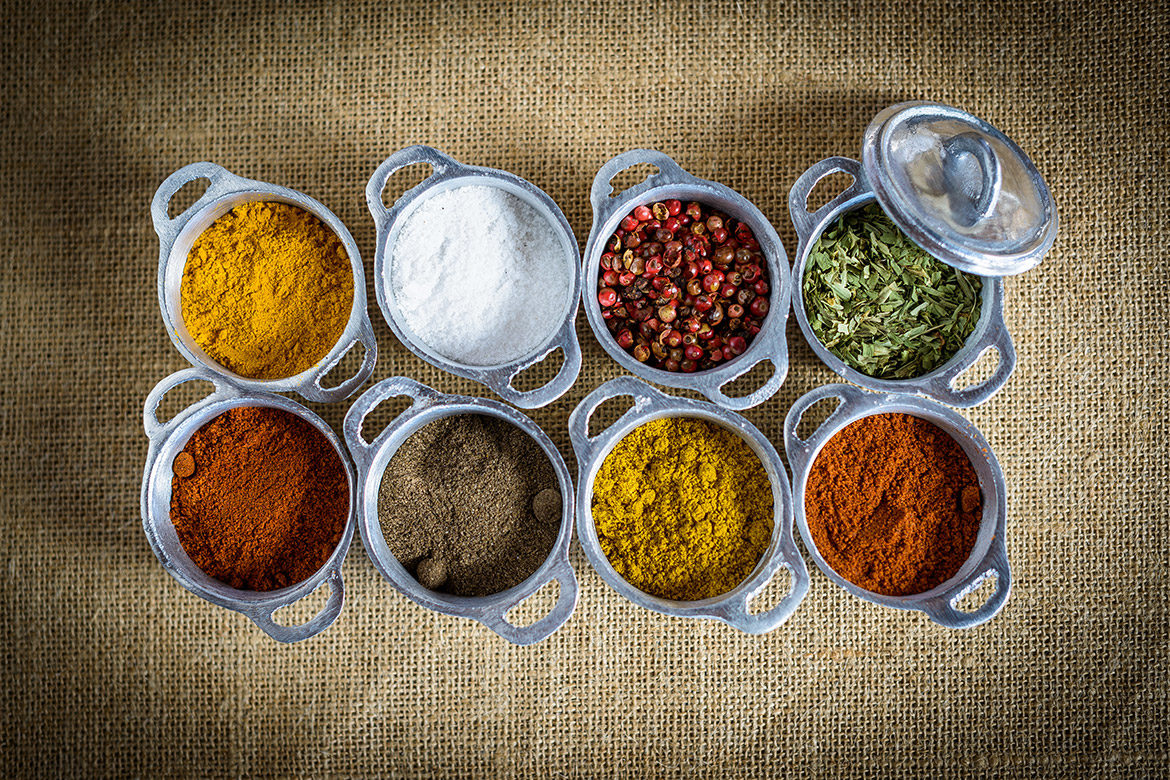
Mauritius, a true cultural melting pot, is a paradise for food lovers. Thanks to its multicultural history, Mauritian cuisine brings together Indian, Chinese, Creole, and European influences, all bound by one essential element: the bold and creative use of spices. Far from just adding heat, these spices enhance and elevate each dish with a symphony of unique aromas and flavours. In this article, we’ll explore the top 10 spices used in Mauritian cuisine, where you can find them and how to use them when cooking your own Mauritian dishes.
1. Turmeric
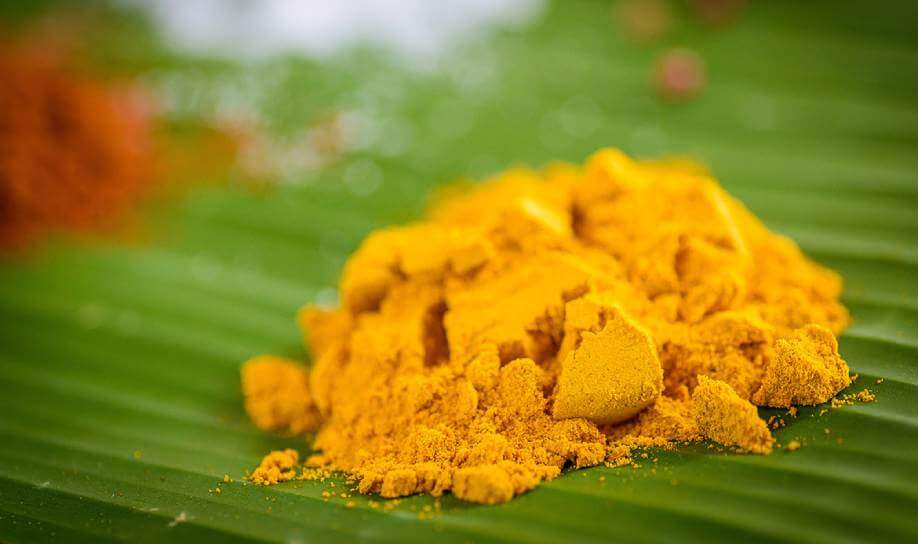
Turmeric is much like saffron, especially in the colour and smell. With a piquant yet discreet taste, this spice is found in the traditional curry powder mix. You can season your poultry, lamb, fish, vegetable or rice dishes with turmeric for an extra Mauritian touch.
Mauritian Name: cumin
Local Twist: In Mauritius, turmeric is often freshly grated, adding an earthy freshness to the iconic Mauritian curry and dishes like Rougaille.
Health Benefits: Turmeric is prized not just for its flavour but also for its health benefits. It contains curcumin, known for its anti-inflammatory properties, and is widely used as a natural remedy in Mauritian homes.
Popular Uses: Mauritian curries, stews, rice dishes, and even drinks like turmeric tea or lait d’or (golden milk).
2. Coriander
The use of coriander dates back to 7000 BC. The leaves can be sprinkled on various dishes, such as seafood salads. The seeds are ground and used in typically Mauritian specialities such as cari (curry).
Mauritian Name: cotomili
Flavour: Fresh coriander leaves bring a vibrant, herbal quality to dishes, while the seeds add a warm, nutty taste with hints of citrus.
Popular Uses:
- Leaves: Sprinkled over seafood salads, chutneys, and rougaille for an extra layer of freshness.
- Seeds: Ground into curry powders, adding depth to Mauritian cari and marinades.
Health Benefits: Coriander is rich in antioxidants and known for aiding digestion and reducing inflammation, making it a staple in Mauritian homes.
3. Curry leaves
Originally grown in India and Sri Lanka, curry trees were first planted in Mauritius by Indian labourers near their temples and houses. It is found in spice mixes like Massala. Fresh curry leaves add flavour to every Mauritian cari.
Mauritian Name: feuille caripoulé
Flavour: Aromatic, with a mildly bitter and earthy taste that complements spices like cumin, coriander, and turmeric.
Popular Uses:
- Fresh curry leaves are commonly tossed into hot oil at the beginning of cooking to release their full aroma.
- Found in massala mixes and in dishes such as rougaille and various Mauritian curries.
Health Benefits: Known for their antioxidant and antimicrobial properties, curry leaves are also believed to aid digestion and boost immunity.
4. Garlic
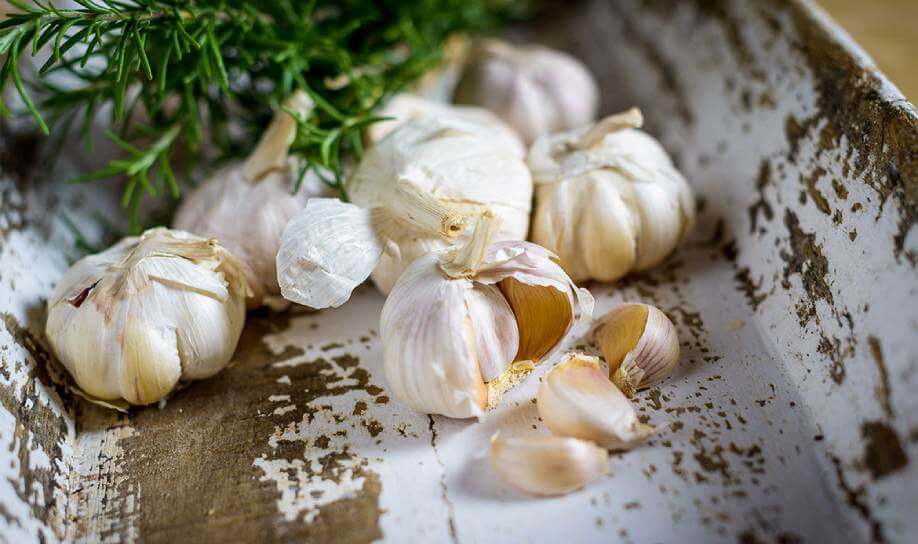
The benefits of garlic have been more and more documented and praised lately. In Mauritius, it is usually chopped or crushed, then added to a number of dishes such as curry, rougaille (red sauce) and the traditional bouillon brèdes (a broth of edible leaves), while cooking.
Flavour: Pungent and slightly spicy when raw, mellowing to a warm, earthy flavour when cooked.
Popular Uses:
- Curries and Stews: Often sautéed in oil to release its aroma at the beginning of cooking.
- Rougaille: Garlic is a staple in this Mauritian red sauce, adding depth and enhancing the other flavours.
- Bouillon Brèdes: Provides an aromatic base for this traditional broth, enjoyed for its simplicity and health benefits.
Health Benefits: Garlic is renowned for its immune-boosting properties and its role in promoting heart health, making it a staple in Mauritian kitchens for both flavour and wellness.
5. Ginger
Ginger’s hot and tangy flavour gives a unique taste to fish, curry sauces, broths, etc. Besides, it can be appreciated in a sweet version (crystallised ginger) or in infusion and tea, as an old home remedy.
Flavour: Hot, tangy, and aromatic, with a slight sweetness that intensifies when cooked.
Popular Uses:
- Savoury Dishes: Fresh ginger is often grated into curries, marinades, and sauces, giving dishes a zesty and warming depth.
- Sweet Preparations: Crystallised ginger is enjoyed as a treat or added to desserts for a spicy-sweet kick.
- Infusions and Tea: Ginger tea is a common remedy for digestion and colds, celebrated for its soothing warmth.
Health Benefits: Ginger is widely recognized for its anti-inflammatory and digestive benefits, and it is a common ingredient in Mauritian home remedies for colds, nausea, and other ailments.
6. Mustard seeds
A key ingredient of the famous vindaye (vindaloo) recipe, mustard seeds do not taste as strong as the mustard we commonly use as a condiment. Found in many spice mixes, they were discovered more than 3,000 years ago around the Mediterranean Sea and in Asia.
Flavour: Mildly bitter and nutty when fried, with a subtle pungency that adds complexity to dishes.
Popular Uses:
- Vindaye (Mauritian Vindaloo): Mustard seeds are a key ingredient, lending depth and a mild tang to this famous dish.
- Spice Mixes: Often used in combination with turmeric, cumin, and curry leaves for curries, pickled dishes, and marinades.
Health Benefits: Mustard seeds are rich in antioxidants and are believed to aid digestion, making them a healthy addition to many dishes.
7. Star anise seeds
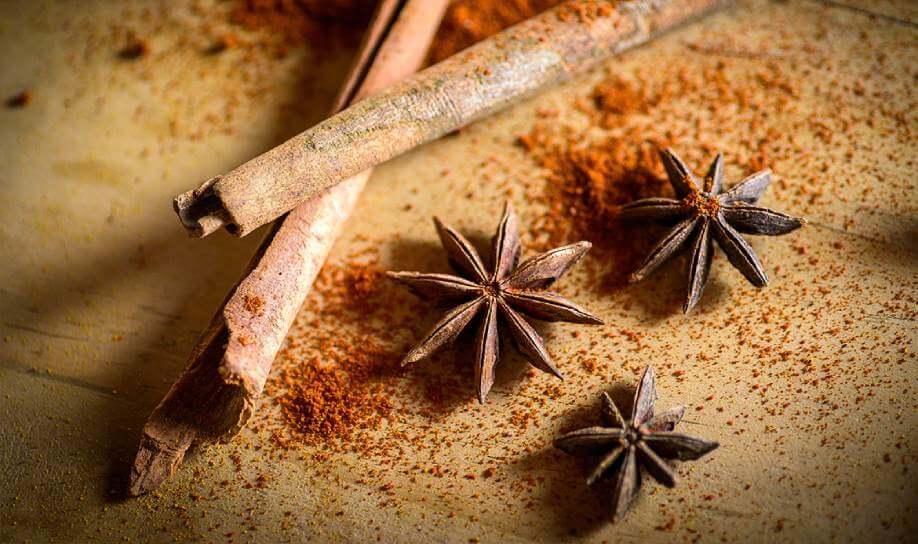
If you often use the famous five-spice powder, then star anise is not unknown to you. Thanks to its powerful aroma, a single seed is enough to spice up your dish. Star anise can be used in various ways: grated or infused directly into the simmering mixture.
Flavour: Sweet, licorice-like, with a hint of warmth; highly aromatic.
Popular Uses:
- Infusions: Often added whole to broths, curries, and sauces for a slow-release flavour.
- Spice Blends: A key ingredient in five-spice powder, adding a unique sweetness and warmth.
- Desserts and Beverages: Star anise is sometimes used to flavour sweets, teas, or even rum infusions.
Health Benefits: Star anise is known for its antibacterial and antioxidant properties, and it has been traditionally used to soothe digestive discomfort.
8. Clove
Clove is the star ingredient of the biryani, a popular recipe in the Mauritian muslim community. It is easy to recognize this spice because of its strong flavour. It is also found in several spice mixes and spiced tea.
Flavour: Strong, warm, and slightly sweet with a peppery bite.
Popular Uses:
- Biryani: Cloves are essential in the spice mix for this flavorful rice dish, lending warmth and depth.
- Spice Mixes and Marinades: Often combined with cinnamon, cardamom, and star anise in spice blends.
- Spiced Tea: Adds an aromatic kick to tea, especially when paired with cardamom and ginger.
Health Benefits: Cloves are known for their antibacterial and anti-inflammatory properties and are often used in natural remedies to soothe toothaches and improve digestion.
9. Cardamom
Like many other spices, cardamom comes from India. Because of its floral and lemony aroma, it is mostly used to season rice-based dishes. If you have a sweet tooth, you will find it in these Mauritian sweet potato and coconut cakes, called gâteaux patate.
Flavour: Floral, lemony, and sweet, with a gentle warmth that elevates both main dishes and desserts.
Popular Uses:
- Rice Dishes: Cardamom is often added to rice-based recipes, such as biryani and spiced rice, for its light and fragrant flavour.
- Desserts: A beloved ingredient in Mauritian sweets like gâteaux patate and cardamom-infused teas, adding a hint of floral sweetness.
- Spice Blends: Often found in massala and other Mauritian spice mixes, balancing bold spices with its unique aroma.
Health Benefits: Cardamom is known for its digestive and anti-inflammatory properties and is often used in traditional remedies to soothe stomach discomfort and promote oral health.
10. Thyme
Thyme is not a spice but a richly aromatic herb. It is abundantly used in Mauritian cuisine and is generally added, sometimes in a fresh bouquet, on top of vegetable or meat stews, such as the famous Creole rougaille.
Flavour: Earthy, minty, and slightly peppery, with a hint of floral notes that deepen as it cooks.
Popular Uses:
- Rougaille: A classic Mauritian dish where thyme is added to create an aromatic, rich base for this tomato-based stew.
- Stews and Broths: Often used in bouquet garni form to infuse vegetable and meat stews with a fragrant depth.
- Grilled Meats and Fish: Sprigs of thyme are sometimes used in marinades to enhance the flavours of grilled dishes.
Health Benefits: Thyme is rich in antioxidants and has antibacterial properties. It’s often used in herbal remedies to support respiratory health and boost immunity.
Now that you know everything about the spices that make Mauritian food so special, go and get some at the closest market!
Mauritian gastronomy is multicultural and delicious with lots of grocer’s flavours. The Mauritian taste is evident in many dishes. Lovers of cuisine with strong flavours and grocer, you will find plenty of other dishes with authentic flavours during your stay in Mauritius.
Most of the mentioned spices can be grown at home!
Where to Buy Authentic Mauritian Spices
Here are some of the best places to explore and purchase spices on the island:
- Port Louis Central Market: Known as the heart of Mauritius’s spice trade, the Port Louis Central Market is a must-visit for anyone looking to immerse themselves in the island’s culinary treasures. Here, you can find a variety of spices, from fresh curry leaves to turmeric, cumin, and vanilla, often sold in generous quantities. This market is ideal for finding whole spices, dried herbs, and homemade spice blends. Local vendors are also keen to share cooking tips and recipes, making it a rich cultural experience.
- Flacq Market: The Flacq Market is one of the largest open-air markets in Mauritius and offers a wide range of spices, vegetables, and traditional Mauritian ingredients. Located in the eastern part of the island, Flacq Market is a bit quieter than Port Louis but equally vibrant, with fresh thyme, chilies, and star anise among the offerings. This market is ideal for travellers looking to explore authentic Mauritian flavours without the city bustle.
- Bazaar de Mahébourg: Located on the southeastern coast, this market is famous for its laid-back atmosphere and local charm. Besides fresh produce and fish, Bazaar de Mahébourg also stocks a variety of Mauritian spices and herbs. Here, you’ll find fragrant bunches of curry leaves, ginger roots, and unique spice blends that showcase the island’s multicultural influences.
Buying Tips:
- Look for Freshness: For the best flavours, look for vibrant colours in powdered spices and aromatic intensity in whole spices. Fresh herbs like thyme and curry leaves should have a lively green colour.
- Ask for Blends: Many local vendors sell pre-mixed spice blends tailored for specific dishes, such as massala for curries and vindaye for pickled dishes. These blends offer a convenient way to bring Mauritian flavours to your cooking.
- Online Options: If you’re outside Mauritius, some local vendors and specialty stores offer Mauritian spices online, allowing you to enjoy the island’s flavours from afar.
Veranda Resorts Culinary Experience in Mauritius
Mauritian cuisine is multicultural and delicious, filled with a variety of spicy flavours. The taste of Mauritius is highlighted in numerous dishes. For lovers of bold and spicy flavours, you’ll find many authentic dishes to enjoy during your stay in Mauritius.
Veranda Resorts in Mauritius offers a cuisine that celebrates the richness of local flavours, generously incorporating Mauritian spices into the dishes served in their restaurants.
- Veranda Pointe aux Biches: Discover locally inspired dishes at the Senses restaurant, with a stunning view of the beach.
- Veranda Paul & Virginie: Specialising in Mauritian cuisine, this restaurant provides an authentic culinary experience with fresh ingredients and local spices.
- Veranda Grand Baie: Mon Plaisir serves Mauritian specialties like curries and grills, prepared with the island’s finest spices.
- Veranda Tamarin: At the Ye! Man restaurant, immerse yourself in a Creole ambiance where local spices and aromas take centre stage.
- Veranda Palmar Beach: Horizon showcases a fusion cuisine with exotic dishes inspired by the island’s flavours.
In addition to the delicious food served in its restaurants, Veranda Resorts offers immersive culinary experiences for food enthusiasts:
- Culinary Workshops: Learn to prepare authentic Mauritian dishes with a local chef who will guide you through the use of spices step by step.
- Local Market Visits: Join the chef on a journey through local markets to select the best ingredients and spices.
- Private Tastings: Enjoy a menu specially prepared for you, highlighting Mauritian spices in a unique gastronomic experience.
Holidays with spicy flavours
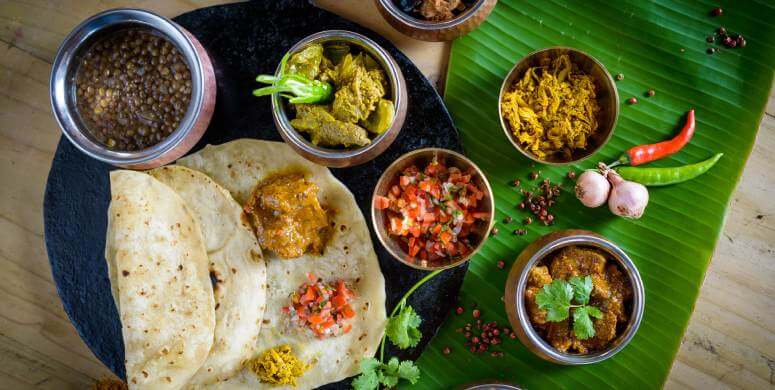
Want to taste dishes with many spices, the ideal place remains Veranda Resorts.